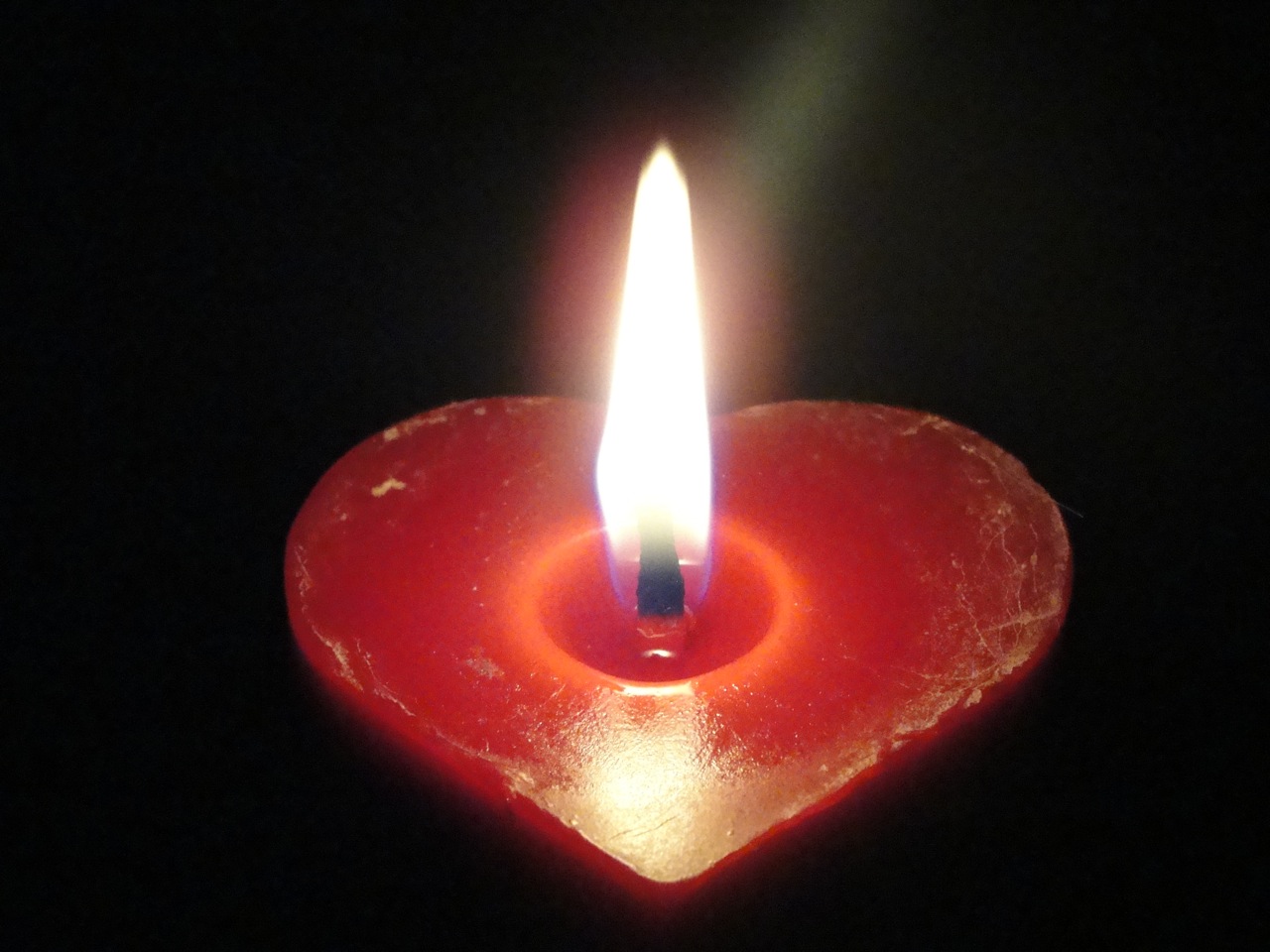
It is that time of year of holidays that focus upon the honoring of ancestors of various types.
As I write, it will be Halloween (or Samhain or Day of the Dead) in a few days. And beneath the plastic masks and store-bought candies and blown-up decorations of skeletons and such, this time is spiritually about connecting with the ancestral realm. Believed by many people of many sacred traditions to inhabit a different, yet sometimes interconnected, realm than ours. These ancestors like to be remembered, sometimes, by us: the living.
In Chile, where I lived for more than a decade, November 1st was a national holiday. And I so enjoyed seeing whole families with picnic baskets perched atop the grave of a deceased family member, eating their favorite foods, laughing, singing, re-remembering those who have passed away with joy. And so that the future generations will keep the knowledge and memory of these people close to their hearts.
But our ancestors can be viewed more widely than by bloodline. For there are many kinds of ancestors that support and help us in our short walk on planet Earth. There are the deceased loved one with whom we may not share any blood connection; people who may have helped raise and/or sustain us. There are those with whom we once frolicked and laughed and ate who have left this realm before us.
And then there can also be those we once had a mixed-kind of relationship with that are still close to us, energetically speaking. For reconciliation and healing continues after physical death – in both directions.
There are also ancestors of place.
One kind of ancestor of place are the human-beings who walked upon this land long before we did.
We know that there have been people living in this region for at least 12,600.
The celebration of Thanksgiving is allegedly about the honoring of Natives and Whites at a Harvest Festival. In truth, the story of this celebration is bloodier and more convoluted than what I was taught in elementary school some decades ago. Check out this article in the Smithsonian magazine to learn more: https://www.smithsonianmag.com/history/thanksgiving-myth-and-what-we-should-be-teaching-kids-180973655/
How can we honor these ancestors of place in a heart-full, and also truthful manner? I find this challenging when I know well the legacy of some of my ancestors who arrived here from Europe, and seized their lands and spaces with gun and force. This can be so hard to acknowledge that some people, it seems, want to not talk about it at all. Some even deny it.
(A few years ago, when I wrote about the true story of Thanksgiving in my column, I received hateful phone calls. I was harassed.)
I once heard a New Hampshire representative in Concord state that there have never been any Native Americans in New Hampshire. Ever. And yet our region – the Monadnock region – is named for a mountain with a Western Abenaki name meaning, probably, ‘isolated mountain’. Although it might mean ‘smooth mountain’.
The river that flows through the heart of Keene is also named by the ancestors of place, the Western Abenaki. Ashuelot means: ‘Land between Place’ in Western Abenaki. The riverway and its environs have been a major crossroads for millennia.
These physical presences of mountain and river can also be thought of as our ancestors. For they are more ancient than even the most ancient of human-beings. And they have known and witnessed all that has transpired here in the sometimes happy, sometimes sad, sometimes complicated course of our human histories (and her-stories).
There are many ways to honor our land and landmarks, just as there are many paths to trying to honor (as best as we can) the ancestors, those human-beings, of place. And also our own personal ancestors whose memories and blood flow through our vein as genes and stories and whispers.
Love is always a good way to start, and end.
Published in The Monadnock Shopper News Nov. 5-11, 2025

 SKYE stephenson
Leave a comment